Perlite is an acidic volcanic glass characterized by its ability to expand when heated. The name “perlite” is derived from the Latin word “perle,” meaning pearl, due to the small spherical shapes obtained when some types of perlite are crushed. It becomes lightweight and porous when expanded, making it suitable for various applications.
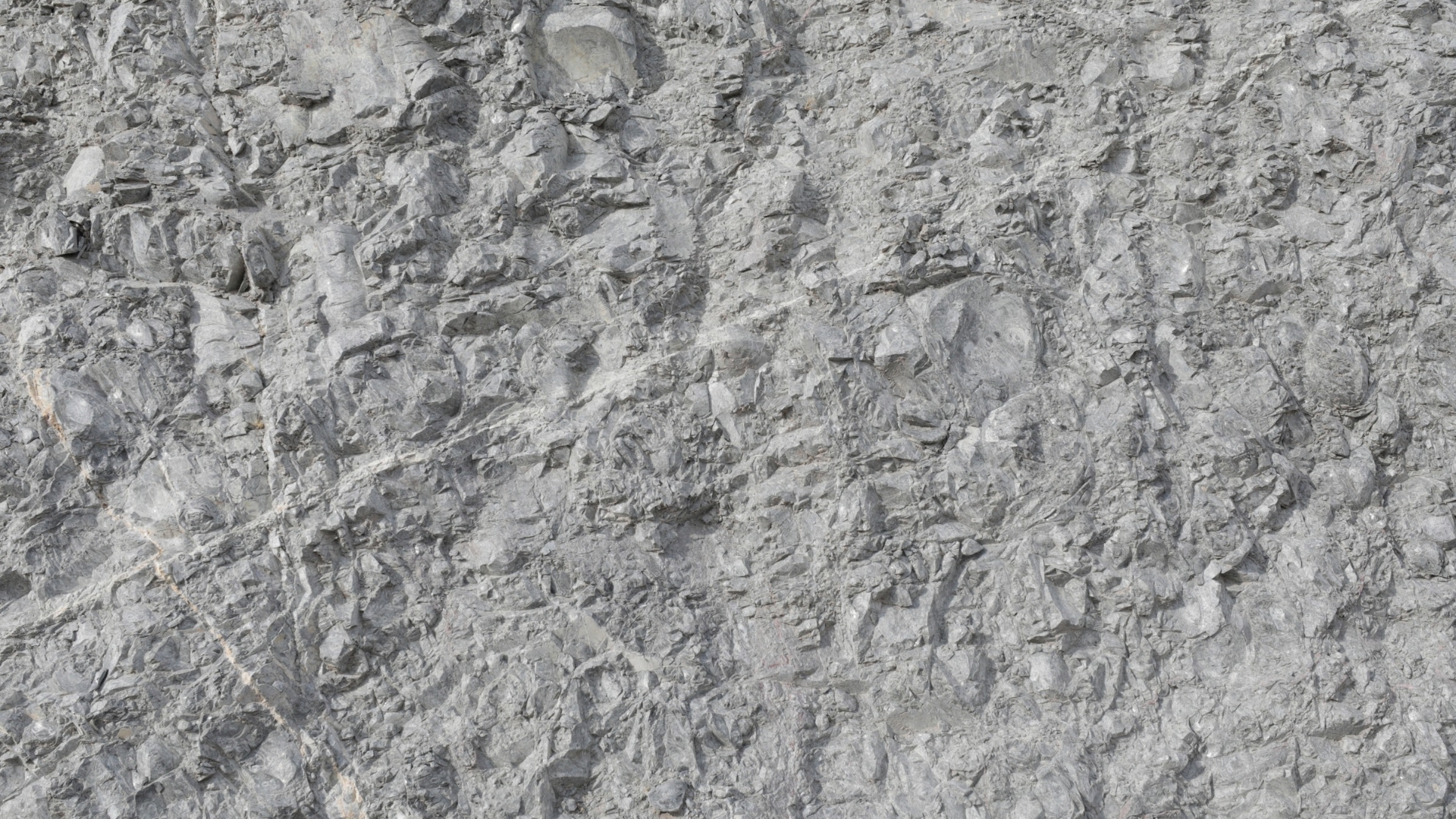
Perlite can vary in color and structure, with raw perlite ranging from translucent light gray to shiny black. When expanded, it turns completely white. One of the most important properties of perlite is its hydration, containing around 2.5% of water even in its stable state, which contributes to its stability.
When heated rapidly between 750-1200°C, perlite expands due to the vaporization of the water within its structure, forming a foam aggregate consisting of glassy particles. It can expand up to 20 times its original volume. This expanded form of perlite is used for various purposes.
Perlite is a naturally occurring volcanic glass with a specific texture and a certain amount of water content in its structure, primarily composed of acidic compounds. It is not fibrous in structure and does not contain nitrate, sulfate, phosphorus, heavy metals, radioactive elements, or organic matter, making it chemically pure and suitable for various industrial and agricultural applications.


