Perlite is a lightweight, porous, and versatile material that plays an important role in the construction sector. Thanks to its natural insulation and durability properties, it is widely used in various building applications, including:
- Shaped insulation materials – ideal for roof and floor insulation systems.
- Perlite plaster – improves thermal and acoustic performance in wall finishes.
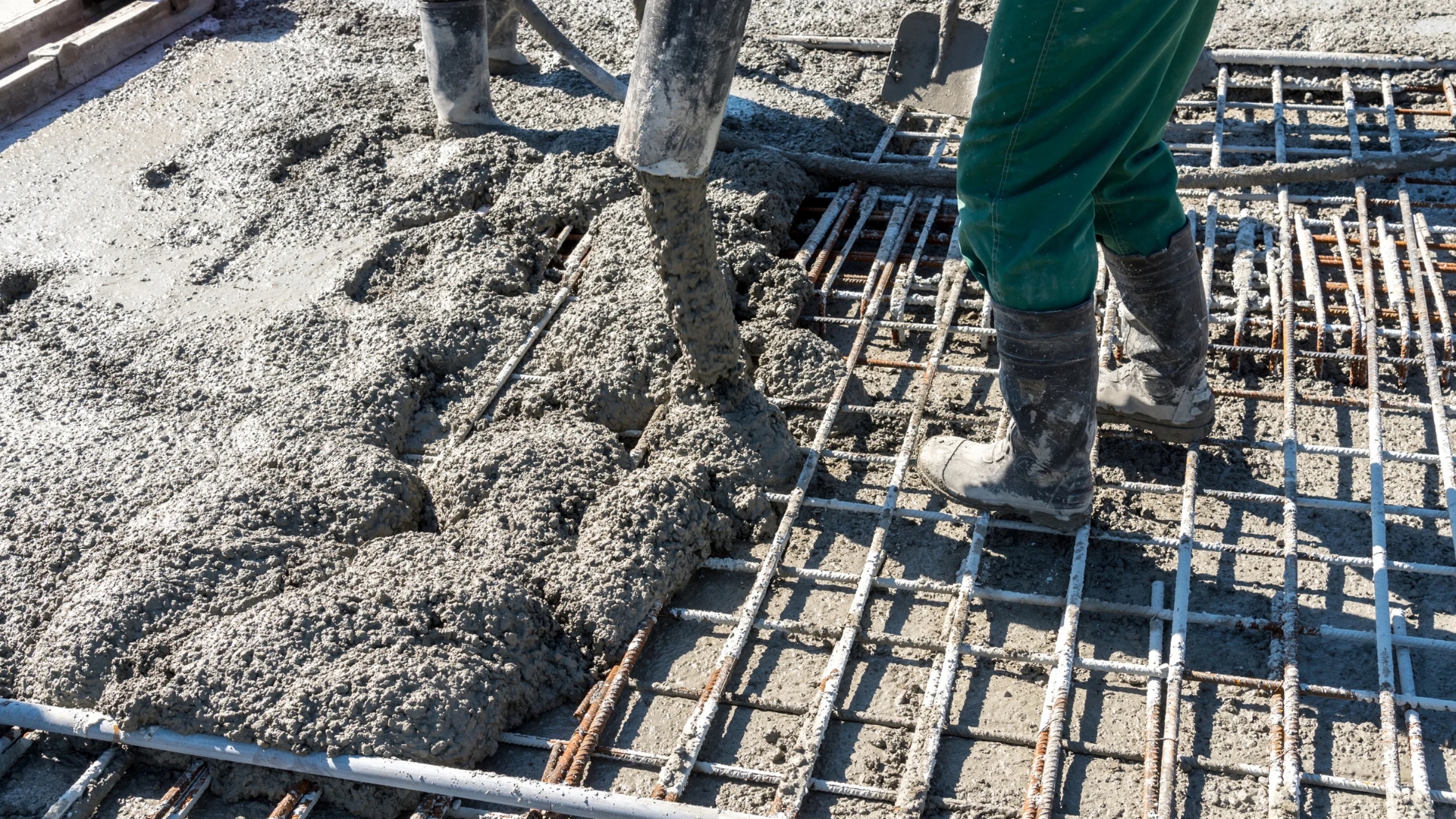
- Lightweight insulating concrete – produced with perlite aggregates and cement or gypsum binders.
- Lightweight structural components – such as ceiling tiles, pipe insulation, and prefabricated building elements.
- Loose-fill insulation – applied in attic, floor, and wall cavities; often treated with silicone to form foam.
- Surface coverings – used to provide both thermal and sound insulation.
- Specialty concretes – created with binders other than cement or gypsum for advanced construction needs.
Because of its chemical composition, which contains silica and aluminum compounds, raw perlite reacts with calcium-based binders and demonstrates hydraulic activity. This reaction enhances the strength and durability of cement-based materials, making perlite a preferred additive in modern construction.
Perlite can be processed through crushing, grinding, and screening to achieve the desired particle size, or it can be used directly in its natural aggregate form. In both cases, it significantly improves insulation, durability, and sustainability in the construction industry.
Perlite offers a unique combination of lightweight structure, thermal and acoustic insulation, fire resistance, and durability, making it an ideal material for today’s sustainable construction projects. From residential buildings to large-scale industrial facilities, perlite helps reduce energy costs, improve indoor comfort, and extend the service life of construction materials.
If you are looking for a reliable and cost-effective solution in insulation and lightweight building materials, perlite may be a smart choice for the construction industry.


